
Hounslow council parking permits for removals explained
Posted on 29/06/2026
If you are planning a move in Hounslow, parking can become the one detail that turns a decent moving day into a frustrating one. A van blocked by tight bays, a permit question hanging over you, or a street with no obvious place to stop... it all adds pressure. This guide to Hounslow council parking permits for removals explained breaks it down in a simple, practical way so you can plan with confidence, avoid fines, and keep the move moving. Whether you are leaving a flat near the High Street, shifting furniture from a house with awkward access, or using a man with van in Hounslow, understanding parking rules early is one of the smartest things you can do.
Let's face it: nobody wants the removal crew circling the block while the kettle's packed away somewhere else.
In the sections below, you will find a clear explanation of what these permits usually cover, when they matter most, how to plan step by step, and the common mistakes people make when they leave parking too late. You will also find a checklist, a comparison table, and a few grounded tips from the real world of London removals.
Why Hounslow council parking permits for removals explained Matters
Parking is not just a side issue in a move. It affects timing, cost, safety, and how calmly the day unfolds. In Hounslow, that matters even more because some residential streets are narrow, parking spaces are limited, and loading can get awkward fast. A removal van may need to stop very close to the property entrance, and if that stop is not authorised, the move can get delayed or exposed to enforcement action.
That is the real value of understanding Hounslow council parking permits for removals explained: it helps you connect the paperwork with the practical reality on the street. A permit may be needed to suspend a bay, use a shared parking area for loading, or avoid problems where restrictions apply. In other cases, a move can work without a permit, but only if the street layout and timing are on your side. Big difference.
People often assume the removal company will sort everything automatically. Sometimes they do help with planning, but the responsibility is usually shared. If you are moving from a flat, a maisonette, or a busy road near the centre, it is worth checking early rather than hoping for the best on the morning. That is especially true if you are also coordinating storage, packing, or a same-day turnaround through removal services in Hounslow or arranging same-day removals.
Expert summary: the permit itself is rarely the hard part; the hard part is timing it correctly, matching it to the street conditions, and making sure the van can actually park where the loading needs to happen.
How Hounslow council parking permits for removals explained Works
At a practical level, a removal parking permit is about giving a vehicle permission to stop legally where parking controls would normally prevent it. In many local authority areas, that means a temporary dispensation, suspension, or loading arrangement. The exact terminology can vary, which is why people get confused. One person says "parking permit", another says "bay suspension", and a third says "loading exemption". Same conversation, slightly different language. Not exactly helpful, to be fair.
What matters is the outcome: your removal vehicle needs a legal, usable spot close enough to the property to load and unload efficiently. If that can be arranged by parking in an unrestricted space, brilliant. If not, a permit or temporary arrangement may be the safer route. This is particularly useful for:
- busy roads with limited kerb space
- controlled parking zones
- metered or time-limited bays
- streets with yellow line restrictions
- properties with no driveway or private access
In Hounslow, the need for a permit is often driven by access rather than the move itself. A small flat move might still need parking help if the street is tight. A large house move might be fine if there is a driveway or clear loading area. So, the question is not "Is it a house move or flat move?" but "Where will the vehicle actually stop?"
When people work with an experienced team, the parking question gets folded into the move plan alongside lifting, packing, and route planning. It is one reason many customers prefer a fuller service rather than trying to juggle everything alone. If you are comparing options, a page like house removals in Hounslow can help frame what is normally included in a more structured move.
Key Benefits and Practical Advantages
Getting the parking side right does more than avoid fines. It also makes the move smoother in ways people notice only once it goes wrong.
- Less delay: the crew can get straight to loading instead of hunting for a space.
- Lower stress: nobody is standing around the street while the clock ticks on.
- Better safety: fewer rushed lifts from far away means less chance of bumps and scrapes.
- Cleaner access plan: the vehicle can be placed where it causes the least disruption to neighbours and traffic.
- Better value from the move slot: especially if you have booked by the hour, every wasted minute matters.
There is also a subtle benefit people forget. A good parking plan protects the relationship with the building, the neighbours, and the street. That sounds soft, but it is real. If a van is blocking a driveway, a junction, or a shared access route while people are trying to leave for work, the mood on the street changes quickly. You can almost hear the sighs through the window.
For local moves where budget matters, parking planning also helps avoid hidden extras. A delayed start can mean overtime or a second vehicle trip if the access turns out to be worse than expected. If you are trying to keep the move lean, it helps to look at the wider cost picture too, including the information on pricing and quotes and the useful guidance in avoiding hidden charges on Hounslow removals.
Who This Is For and When It Makes Sense
Not every move needs a council parking permit. But certain situations do call for one, or at least for a very careful parking plan.
It usually makes sense if you are:
- moving from a flat or apartment with no private parking
- living on a road with controlled parking or timed restrictions
- moving furniture on a busy weekday morning
- using a larger van that will need more space than a normal car bay
- working with a removal team that needs clear access for loading and unloading
- in a street where temporary stopping is likely to annoy neighbours or trigger enforcement
Students, renters, families, downsizers, and small businesses all run into this. A student moving out of shared accommodation may think the move is tiny, but if the van cannot stop nearby, the job becomes surprisingly clunky. Likewise, an office move might only be a few desks and boxes, yet the access constraints can be the real headache. If that sounds familiar, the planning advice in student removals in Hounslow and office removals in Hounslow can be useful context.
It can also make sense for smaller jobs, like a sofa collection, a piano move, or a single room clear-out, because a quick job can become a slow one if the van is parked a long way from the door. That is why services such as furniture removals in Hounslow and piano removals in Hounslow need particularly thoughtful access planning.
Step-by-Step Guidance
Here is the most practical way to handle the parking side of a move in Hounslow.
- Check the street outside the property. Look for residents' bays, loading restrictions, yellow lines, limited waiting times, or anything that suggests a van cannot simply stop there.
- Measure the likely access route. How far is it from the kerb to the front door? Are there steps, railings, a narrow path, or a tight corner?
- Decide what kind of vehicle you need. A smaller van may fit into a space a larger removal truck cannot. That matters more than people think.
- Talk to your mover early. Explain the address, the street, and any known access issues. If you are using a local provider, the team may already know the area and may suggest a better loading plan.
- Confirm whether a permit or suspension is needed. If the street is controlled, do not leave this until the day before. Give yourself breathing room.
- Coordinate timing with the building. If there is a move-out window, lift access, or concierge involvement, align it with parking access so nobody is waiting around.
- Prepare a backup plan. If the ideal bay is unavailable, where can the vehicle stop without causing trouble? A plan B saves the day more often than people realise.
A simple example: if you are moving from a first-floor flat on a busy Hounslow road, the best parking spot may be a short walk away rather than right at the entrance. In that case, you need to think about whether extra porters, trolleys, or a smaller vehicle would make more sense. The right choice is not always the biggest van. Sometimes a more nimble setup is the smarter one, especially when comparing a man and van in Hounslow with a larger removal van.
Expert Tips for Better Results
From a practical removals point of view, a few habits make a big difference.
- Book parking planning before packing is complete. It sounds obvious, but people often leave it until the boxes are stacked in the hall. Too late by then.
- Send photos of the street if possible. A couple of clear phone pictures can reveal more than a long conversation. Kerb layout, signs, width, and corners all show up quickly.
- Use the quietest loading window available. Early morning is often calmer on the road, though not always. A bit of local judgement helps.
- Match the move type to the access. A flat move on a congested street may need a different approach from a house move with a front drive.
- Keep essentials separate. If parking causes a short delay, having documents, keys, and basics to hand avoids unnecessary panic.
One thing that surprises people: the best parking plan is often the one that makes the move look slightly boring. No drama, no shouting, no van halfway on the pavement while somebody jogs boxes back and forth. Boring is good here.
If you want a broader sense of move planning and realistic costs, it can also help to review removals in Hounslow and the comparison in removals vs man and van. Those pages are useful for understanding how vehicle choice and access influence the overall job.
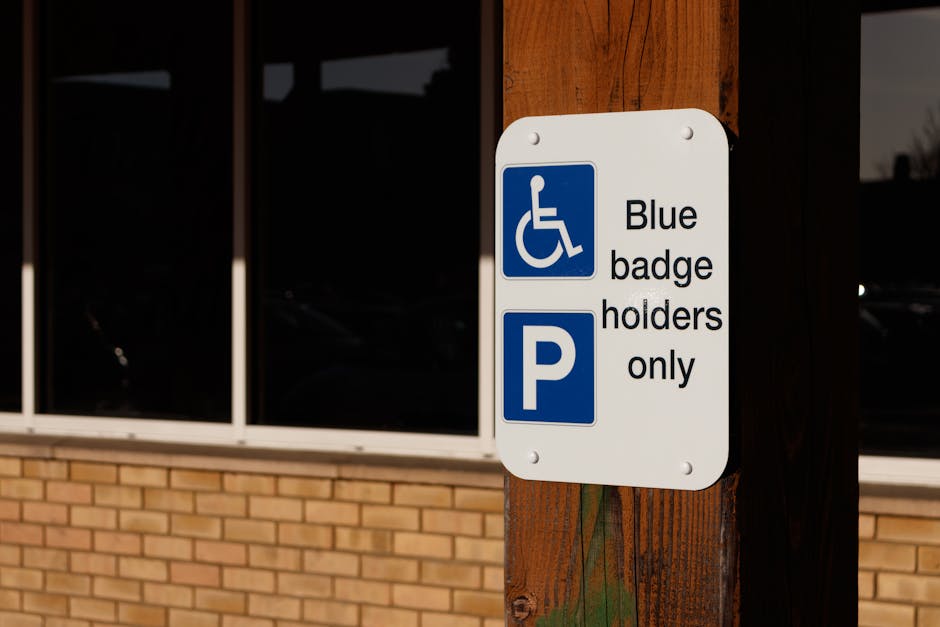
Common Mistakes to Avoid
Most parking problems on moving day are avoidable. The tricky part is that they usually come from small oversights rather than big blunders.
- Assuming parking will be fine because it usually is. Moving day is different. A normal Tuesday can become a different animal once a long vehicle is involved.
- Forgetting to check restrictions for the exact date and time. A street might look free at 9pm and be heavily controlled at 8am.
- Not matching the permit to the actual vehicle size. A permit is not useful if the van still physically cannot fit where you planned.
- Ignoring nearby residents' spaces. Even a temporary stop can create complaints if it looks careless.
- Leaving the permit arrangement until the last moment. Councils and permit processes are not the place for improvisation.
There is another mistake people make: they underestimate how long loading takes when parking is awkward. What should be a tidy one-trip move becomes a series of smaller lifts. That is tiring, and it is one of the reasons some customers switch to a more hands-on local service like man with a van in Hounslow for tighter access jobs.
Tools, Resources and Recommendations
You do not need fancy tools to plan parking properly, but a few simple things help:
- Street photos: take pictures of the kerb, signs, and the route from van to door.
- Basic measurements: doorway width, stairwell turns, and the distance to the road.
- Move timeline: know when the van arrives, when keys are available, and when the property must be vacated.
- Inventory list: helpful for deciding whether a small or large vehicle is enough.
- Building notes: lift size, concierge rules, loading bay access, or resident-only permits.
For customers who want help beyond parking, it is often worth looking at the broader move support available through services overview, packing and boxes in Hounslow, and storage in Hounslow if your dates do not line up neatly. Storage can be especially useful when parking is tight and you prefer to split the move across more than one stage.
And if you are still weighing up suppliers, a clear starting point is removal companies in Hounslow. It gives you a sense of what a proper removals setup looks like before you make choices on speed, price, or vehicle size.
Law, Compliance, Standards, or Best Practice
Parking rules are not something to treat casually. In London, local parking restrictions are typically enforced, and moving vehicles are not automatically exempt just because they are loading. Best practice is to assume that stopping must be justified and planned. If there is any uncertainty, check the local arrangements early and do not rely on memory or neighbour advice alone.
That said, this article is not legal advice, and parking procedures can change. The sensible approach is to treat the council's parking rules as the baseline, then plan the move around them. A reputable removals team should also work to reasonable safety standards: clear lifting routes, no unsafe blocking, sensible vehicle placement, and enough room for pedestrians and other road users.
Good compliance also means good neighbour sense. If a vehicle has to wait briefly, keep it to the minimum necessary. If you can use loading protection, spotters, or a smaller vehicle, do so. These are small things, but they reflect professional standards and reduce the chances of complaints, delays, or awkward conversations at the kerb.
If you are dealing with a more complex move, especially an older building or a tight street, it helps to review related practical guidance such as health and safety policy and insurance and safety. Not glamorous reading, admittedly, but useful. Very useful.
Options, Methods, or Comparison Table
There is more than one way to handle parking on moving day. The right option depends on the street, the vehicle, and how much loading time you need.
| Approach | Best for | Pros | Watch out for |
|---|---|---|---|
| No permit, unrestricted parking | Quiet streets with available space | Simple, low admin, fast setup | Spaces may vanish quickly; not suitable everywhere |
| Temporary permit or bay arrangement | Controlled parking zones and busy roads | Legal stopping point close to the property | Needs planning and timing; may involve restrictions |
| Smaller van and flexible loading | Narrow streets or awkward access | More manoeuvrable, often easier to park | May require more trips or extra handling |
| Split move with storage | Complex or staggered moves | Reduces pressure on the main moving day | Extra coordination and possible storage cost |
If you are choosing between a leaner vehicle option and a larger full-service move, the decision is not just about price. It is about how the street behaves at the time of day you are moving. A cheap plan that wastes half an hour circling the block does not always stay cheap.
For some readers, comparing options against the actual move type is useful. A man and a van in Hounslow can suit a straightforward load, while a more complete service may be better for access-heavy moves or family homes. The right answer depends on your street more than your spreadsheet.
Case Study or Real-World Example
Here is a realistic scenario. A couple moving out of a second-floor flat near central Hounslow booked a morning slot and assumed the van could park "somewhere nearby". The road looked manageable the day before. On moving morning, though, resident bays were full, a loading space was already occupied, and the nearest legal stopping point was farther down the street than expected.
What saved the day was not luck, really. It was a last-minute adjustment: the team used a smaller vehicle to shuttle key items first, then staged the rest in manageable loads. The couple had already packed essentials separately, so the delay was annoying but not disastrous. Still, they lost time, and the move felt tighter than it needed to be.
In hindsight, a parking plan would have changed the tone of the day. Probably not the whole world, but enough. The boxes would have moved faster, the hallway would not have backed up, and the first cup of tea in the new place would have come a bit sooner.
That is why this topic matters so much for local moves. It is not paperwork for paperwork's sake. It is the difference between a move that flows and a move that keeps tripping over small problems.
Practical Checklist
Use this checklist before moving day.
- Confirm the exact moving address and postcode.
- Check the street for bays, restrictions, yellow lines, and loading limits.
- Measure the walk from the vehicle to the front door.
- Decide whether a small van, larger van, or full removals setup is most suitable.
- Ask whether a permit, suspension, or temporary arrangement is needed.
- Share photos of the street and entrance with your mover.
- Book the moving slot with access in mind, not just the calendar.
- Separate essential items so they do not get buried in the load.
- Keep keys, phone, ID, and important documents easy to reach.
- Have a backup parking option in case the first choice is unavailable.
Quick takeaway: if parking looks uncertain, treat it as a planning issue, not a day-of problem. That one shift in thinking saves a lot of grief.
Conclusion
Hounslow council parking permits for removals explained really comes down to one idea: give the removal vehicle a legal, workable place to stop before the boxes start moving. Do that well, and the rest of the job becomes much easier. Leave it too late, and even a simple move can feel noisy, rushed, and weirdly exhausting.
If you are planning a move soon, focus on the street first, the vehicle second, and the paperwork third. That sounds backwards, maybe, but in real life it is usually the smartest order. The best moves are the ones where the parking decision was made before anyone had to improvise with a trolley and a frown.
For a smoother experience, it helps to choose a team that understands local access issues, planning pressure, and the realities of moving in and around busy parts of west London. A careful start usually leads to a calmer finish, and honestly, that is what everyone wants when the front door finally closes behind the last box.
Get a free quote today and see how much you can save.
![Professional Movers Services at Unbeatable Prices in [LOGO_TITLE]](../../pub/actonmovers-banner.png)


