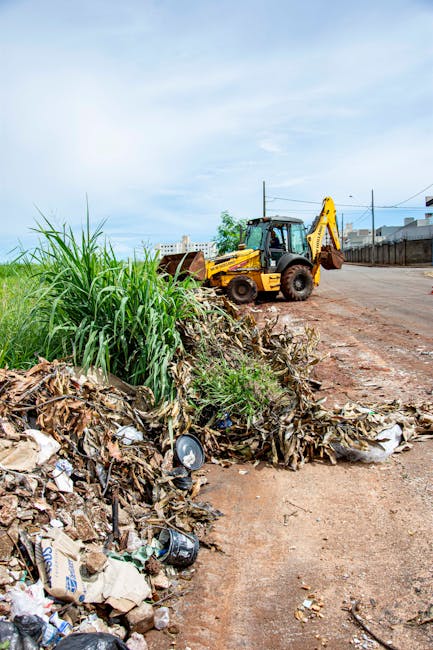
Hounslow council waste disposal rules for removals debris

If you are moving house, clearing a flat, or stripping out a property after renovation, removals debris can become a nuisance very quickly. Broken drawers, packaging, old shelves, offcuts, bubble wrap, and the odd mystery item from behind a cupboard all add up. The tricky part is that Hounslow council waste disposal rules for removals debris are not just about "getting rid of stuff". They are about sorting waste correctly, avoiding fly-tipping, using the right disposal route, and keeping your move on the right side of local expectations.
This guide breaks the topic down in plain English. You will learn what counts as removals debris, how it should be handled, where the common mistakes happen, and how to plan disposal in a way that saves stress. To be fair, most moving jobs are busy enough without a heap of cardboard, plaster dust, and unwanted furniture making life harder. So let's make the process a bit clearer.
Why Hounslow council waste disposal rules for removals debris Matters
Waste from removals is rarely "just rubbish". It can include bulky furniture, broken fixtures, cartons, wrapping, timber, metal bits, old appliances, and mixed materials. Some items are straightforward household waste. Others need special handling. If you mix everything together, you can easily create a problem that takes longer, costs more, and looks messier than the move itself.
In a busy borough like Hounslow, streets, access routes, and collection points are often tight. One overflowing pile by the kerb can block neighbours, attract complaints, or delay collection plans. And if the waste is left incorrectly, the consequences can escalate from inconvenience to enforcement or extra charges. Nobody wants that on moving day, especially when the kettle is still packed away and the Wi-Fi is not working yet.
There is also the practical side. Councils and licensed waste systems are designed to deal with waste safely and traceably. When removals debris is handled well, you reduce contamination, improve recycling chances, and keep the site safer for everyone involved. That matters whether you are moving out of a small flat or clearing an office after a relocation.
Key point: removals debris is easiest to manage when you sort it early, keep hazardous items separate, and decide in advance whether it will be reused, recycled, collected, or taken to a suitable disposal route.
How Hounslow council waste disposal rules for removals debris Works
The exact process depends on the type of waste, but the overall logic is simple. First, identify what you have. Then separate items into categories. Finally, choose the right disposal route. That may include reuse, charity donation, reuse through a furniture service, recycling, or an approved waste transfer route.
For removals, the most common categories are:
- Cardboard and paper from boxes and packaging
- Soft plastics such as film wrap and protective sheeting
- Wood from dismantled furniture or offcuts
- Metal from bed frames, shelving, or fittings
- General household waste that cannot be reused or recycled
- Bulky items such as sofas, wardrobes, mattresses, and white goods
- Hazardous or specialist items such as paint, chemicals, batteries, fluorescent tubes, or electrical equipment
One thing people often miss: mixed waste is harder to deal with than separated waste. A cardboard box with tape, polystyrene, food scraps, and broken fittings all thrown in together may no longer be suitable for clean recycling. It sounds obvious written down, but in the rush of moving it happens all the time.
Another practical point is timing. If you wait until moving day to deal with the waste, you can end up with piles in the hallway, on the pavement, or in a van that is already overfull. It is much better to clear debris in stages. A little organisation the day before can save a lot of scrambling later.
If you are booking a removals service, check what is included and what is not. Many people assume dismantling, packaging removal, and waste loading all come as standard. Sometimes they do not. If you want a broader solution, you may need a service that covers removal services as well as disposal planning.
Key Benefits and Practical Advantages
Following the rules is not only about avoiding trouble. Done well, it makes the whole moving process smoother. There is a reason experienced movers and property managers take waste segregation seriously. It keeps everyone moving, literally.
- Less clutter on moving day - fewer trip hazards, fewer bottlenecks, less stress.
- Better recycling outcomes - sorted materials are more likely to go down the right route.
- Cleaner handover - useful if you are leaving a rental or preparing a property for sale.
- Lower risk of extra costs - poor sorting can create delays, repeat visits, or disposal surcharges.
- Safer loading - sharp edges, broken timber, and loose items are easier to manage when bundled properly.
- Fewer neighbour issues - neat handling is simply less likely to cause complaints.
There is also a less obvious benefit: better decision-making. Once you separate what can be reused from what must be disposed of, you often discover you have less waste than you thought. An old table might be sellable, a lamp might be reusable, and a stack of boxes can often be flattened and recycled. That small shift can take a surprising amount of pressure off a move.
Who This Is For and When It Makes Sense
This guidance is useful for anyone creating debris during a move, but it is especially relevant if you are dealing with a large or awkward clearance. For example, a family moving from a house in West London, a tenant clearing a flat, or a landlord preparing a property between lets. In each case, the waste mix is a bit different, but the same basic principles apply.
It makes sense to think about removals debris rules before any of the heavy lifting starts if you are:
- moving home and discarding old furniture
- clearing out a loft, garage, or shed before sale
- emptying a rented property at the end of a tenancy
- relocating a small office and disposing of outdated fixtures
- replacing appliances, shelving, or flooring during a move
- booking a man and van style job where disposal is part of the plan
To be fair, the rules matter most when you are tired. That is when people start asking: can this go in the skip, can I leave it by the bins, can the driver take it, can I just deal with it tomorrow? A little structure now beats a headache later.
If your move includes bulk items or awkward access, services such as man and van or furniture pick up may be worth considering alongside disposal planning. They can be especially useful when you need a practical, flexible collection rather than a full-scale clearance.
Step-by-Step Guidance
Here is a sensible way to handle removals debris without turning your move into a bin-store drama.
- Walk through the property early. Make a quick list of what will be thrown away, recycled, donated, or kept. Do this room by room if possible.
- Separate items at source. Keep cardboard, wood, soft plastics, metals, and general waste apart wherever practical. Bags, tape, and labels help more than you think.
- Check for specialist items. Batteries, paints, cleaning chemicals, electrical items, mattresses, and broken glass may need particular care.
- Decide what can be reused. A chair in decent condition, a shelf unit, or spare packing materials can often be passed on instead of discarded.
- Choose your disposal route. That might mean council guidance, a licensed collection, a reuse route, or a removal company that can also take waste away.
- Keep access clear. Stairs, hallways, and exits should stay open. It sounds obvious, but a pile of flat-pack timber can block everything in seconds.
- Confirm timings. If waste is being collected, make sure it aligns with the move date, parking access, and any building restrictions.
- Leave the site tidy. A final sweep for loose screws, tape, and packaging stops the "where did that come from?" moment later on.
One small tip that people often thank themselves for later: keep one bag just for "random bits". Loose Allen keys, screws, and fittings have a habit of turning up after the main items have gone. Put them together and label the bag. Future-you will be grateful. Possibly very grateful.
Expert Tips for Better Results
After enough removals jobs, a few patterns become clear. The first is that waste always creates friction when it is left until the last minute. The second is that mixed waste is what causes the most avoidable trouble. The third is that clear communication saves more time than brute force ever will.
- Flatten cardboard immediately. It reduces volume and makes stacking easier.
- Wrap sharp or splintered items. Old wood, broken frames, and exposed fittings can cause injuries.
- Label bags by material. Simple labels like "cardboard", "soft plastic", and "general waste" help everyone on site.
- Keep wet waste separate. Damp cardboard or food-contaminated material can ruin otherwise recyclable loads.
- Photograph bulky items before removal. This can help when confirming what will be taken or how much space it will use.
- Ask about access early. Narrow staircases, restricted roads, and parking limits can affect the whole plan.
A useful habit is to treat removals debris as part of the move plan, not an afterthought. That shift changes everything. It means waste bags, boxes, and recycling are counted in the schedule, not squeezed in when everyone is already tired and a bit peckish.
If you are comparing transport options, it can help to think about vehicle size, labour, and waste handling together rather than separately. A simple removal van arrangement might be enough for a light load, while larger jobs may be better suited to removal truck hire. Sometimes the vehicle choice is the difference between one neat trip and three awkward ones.
Common Mistakes to Avoid
Let's face it, most waste problems during a move are completely avoidable. They happen because people are in a rush or assume "someone else will sort it". Here are the mistakes that turn a straightforward job into a messy one.
- Leaving waste on the street without checking the rules. This is one of the fastest ways to create complaints.
- Mixing recyclable and non-recyclable material. A little contamination can spoil a whole load.
- Forgetting bulky items. Mattresses, wardrobes, and broken furniture need a separate plan.
- Assuming the removals team will take everything. Always confirm what is included in advance.
- Ignoring hazardous items. Paints, batteries, and chemicals should not be tossed into general waste.
- Blocking access routes. Even a tidy pile can become a problem if it sits in the wrong place.
- Leaving disposal until the final hour. That is when mistakes multiply.
One more thing: if you are tempted to "just leave it by the bins", pause for a second. That shortcut can backfire. Council and building rules, plus local access conditions, can all come into play. A cleaner plan is usually the quieter plan. And quieter is good when neighbours are watching through the window curtains.
Tools, Resources and Recommendations
You do not need fancy equipment to manage removals debris well, but a few basic tools make the process easier and safer. Think of this as your small moving-day toolkit.
- Heavy-duty waste bags for general household debris
- Box cutter or safety knife for breaking down cardboard and packaging
- Labels or marker pens to identify sorted waste
- Protective gloves for handling splintered wood and rough materials
- Reusable crates or tubs for loose fittings and small components
- Tape and string for bundling dismantled items
- Tarpaulin or dust sheets if the debris is being moved through living spaces
If the job is larger, a structured removals plan may be a better fit than trying to do everything in one go. Services like house removals, flat removals, or office removals can help keep the process orderly, especially when debris, furniture, and access challenges overlap.
For readers who care about greener disposal choices, it is also worth looking at how reuse and recycling fit into the wider move. Our own recycling and sustainability approach is built around reducing avoidable waste where practical, which is exactly the kind of mindset that helps during removals.
Law, Compliance, Standards, or Best Practice
Waste disposal in the UK is not just a matter of convenience. There are general legal duties and accepted best practices around safe handling, proper transfer, and responsible disposal. The exact requirements can vary depending on the material and the collection method, so it is wise to be cautious rather than guess.
In practical terms, this means a few simple principles:
- Do not fly-tip. Leaving waste where it is not meant to be left can create serious problems.
- Use approved disposal routes. Waste should go through a route appropriate to its type and quantity.
- Keep hazardous items separate. Special waste needs special handling.
- Use reputable, insured operators where appropriate. If someone is collecting your waste, ask how they handle it.
- Be honest about what is being moved. Understated loads lead to poor planning and awkward surprises.
For moving businesses and customers alike, good practice also means keeping things documented where needed and making sure all labour and transport arrangements are suitable for the load. That is one reason pages such as insurance and safety and health and safety policy matter so much in the wider removals process. They are not glamorous pages, granted, but they do the sensible boring work that keeps everything on track.
If you are unsure whether a specific item can be disposed of with your general removals debris, treat it cautiously and get guidance before the move. Paint tins, gas canisters, batteries, and electricals are the usual ones people forget. They are small, but they cause disproportionate hassle.
Options, Methods, or Comparison Table
There is more than one way to deal with removals debris. The right choice depends on volume, item type, timing, and how much labour you want to handle yourself. Here is a straightforward comparison.
| Option | Best for | Pros | Watch-outs |
|---|---|---|---|
| Reuse or donation | Usable furniture, homeware, and fittings | Reduces waste, can save money, feels worthwhile | Needs time and items in good condition |
| Self-segregated recycling | Cardboard, wood, some plastics, scrap metal | Cleaner loads, better sorting, often simpler to manage | Requires discipline and enough space to sort properly |
| Licensed collection support | Bulky loads, mixed debris, awkward access | Less lifting for you, more efficient on moving day | Check what is included and what is excluded |
| Full removals service | House moves, office moves, or larger property clearances | Integrated planning, fewer moving parts, more convenience | May cost more than a basic van-only solution |
In many real-world moves, people use a hybrid approach. They donate what they can, flatten and recycle the cardboard, then book a collection for the bulky leftovers. That is often the most balanced route. Not always. But often.
Case Study or Real-World Example
Picture a typical two-bedroom flat move in Hounslow. The residents have a bed frame, a few broken shelving panels, several boxes of packaging, an old desk, and a handful of mixed household items they no longer want. At first glance, it looks like a mountain. In reality, it is a manageable mix if handled in stages.
They start two days before the move by sorting items into four groups: keep, donate, recycle, and dispose. Cardboard boxes are flattened and stacked. The bed frame is dismantled and bundled. The desk is checked for reuse and ends up being passed on. A small bag of loose fittings is labelled and taped shut. The remaining mixed waste is kept separate from the cleaner materials so it does not contaminate them.
On the day itself, the hallway is clear. The loading path stays open. Nothing smells stale or damp because the waste was not left sitting for days. The team can work through the property without stepping over loose packaging every two minutes. No drama. No panic. Just a cleaner, calmer move.
That kind of result is not fancy, but it is exactly what good removals planning looks like in practice. Simple, orderly, and a bit unglamorous. Which, if we are honest, is usually what you want on moving day.
Practical Checklist
Use this checklist before the removals team arrives or before you start loading waste for disposal.
- Identify all items that will become removals debris
- Separate cardboard, wood, plastics, metals, and general waste
- Set aside hazardous or specialist items
- Decide what can be reused or donated
- Flatten boxes and reduce volume where possible
- Label bags, bundles, and containers clearly
- Keep stairways, doors, and hallways clear
- Confirm vehicle access and parking arrangements
- Check whether your removals provider will take any waste
- Leave a final sweep time at the end of the job
If you can tick off most of these items early, you are in a good place. A lot of the stress melts away once the waste plan is decided. The move still takes effort, of course, but at least the debris is not running the show.
Get a free quote today and see how much you can save.
Conclusion
Handling removals debris properly in Hounslow is mostly about planning, sorting, and choosing the right route for each type of waste. That sounds simple because, honestly, it usually is. The hard part is doing it before the boxes stack up and the moving day clock starts ticking.
If you remember nothing else, remember this: separate early, keep hazardous items apart, and do not assume every item can be treated the same way. That one habit will save you time, money, and probably a fair bit of irritation too.
With a bit of structure, removals debris becomes one less thing to worry about. And on moving day, that matters more than people realise. The work is still work, but it feels lighter when the waste is under control and the path ahead is clear.
Frequently Asked Questions
What counts as removals debris during a house move?
Removals debris usually means the unwanted material created by the move itself. That can include cardboard, packing wrap, broken furniture, dismantled fittings, old shelves, and general rubbish that is no longer needed.
Can I leave removals debris on the pavement for collection?
Not automatically. You should check the relevant local guidance and make sure the waste is handled in a way that is allowed. Leaving items out without checking can lead to complaints or enforcement issues.
Do all removals companies take away waste?
No, not all of them. Some will move your belongings only, while others may offer packing, packing removal, or collection support. Always ask in advance so you know what is included.
What should I do with cardboard boxes after moving?
Flatten them, keep them dry if possible, and separate them from contaminated waste. Clean cardboard is much easier to recycle or reuse than soggy or food-stained boxes.
How do I deal with old furniture I do not want anymore?
Start by checking whether it can be reused, donated, or sold. If not, arrange an appropriate bulky waste or collection route. Large items should not just be abandoned because they are awkward.
Are batteries and electrical items classed as removals debris?
Yes, they often come up during moves, but they should be handled separately from general waste. Batteries, small electrics, and similar items need special care because they should not be mixed in with standard rubbish.
What is the best way to avoid waste problems on moving day?
Sort everything before the move, label your waste, and decide in advance what will be recycled, donated, or disposed of. Last-minute sorting is where most of the trouble starts.
Is it cheaper to remove debris myself or book help?
It depends on the amount of waste, access, vehicle needs, and labour involved. A small load may be manageable on your own, but larger or bulkier waste can be more efficient when handled with proper removal support.
Can removals debris be mixed with household waste?
Some small amounts can be, but mixed loads are usually less efficient and can reduce recycling opportunities. Separate materials where practical, especially cardboard, wood, and specialist items.
What if I have bulky items and a tight staircase?
That is where planning matters most. Measure access, disassemble what you safely can, and consider a removals provider experienced with difficult access. A little preparation saves a lot of carrying around corners and up narrow stairs.
Do I need to keep any records of waste disposal?
For simple domestic moves, you may not need anything formal, but it is sensible to keep basic confirmation if a third party is collecting waste. For larger or commercial situations, records and clear responsibility matter much more.
What is the smartest first step if I am overwhelmed by the amount of waste?
Start with a quick sort: keep, donate, recycle, dispose. That one simple framework cuts through the mess fast and gives you a plan. Once you can see the categories, the whole job feels more manageable.