
TW3 flat removals tips for narrow stairs and access
Posted on 28/05/2026
TW3 Flat Removals Tips for Narrow Stairs and Access
Moving out of a flat in TW3 can be straightforward on paper, then suddenly awkward the moment you see the staircase. Tight bends, old banisters, low ceilings, shared entrances, awkward parking, and that one sofa that looked normal in the living room but now seems to have grown six inches. Sound familiar? This guide to TW3 flat removals tips for narrow stairs and access is built for exactly that kind of move.
Whether you are leaving a top-floor flat, moving into a converted property, or trying to get bulky furniture down a narrow stairwell without scraping the walls, the details matter. A careful plan can save time, reduce stress, and protect both your belongings and the building. And to be fair, that is usually where people either win the day or spend it muttering under their breath.
Below, you will find practical steps, common pitfalls, comparison advice, and a realistic checklist you can actually use. If you are also comparing moving options, it may help to look at flat removals in Hounslow, man with a van support, or the wider removal services overview for the right fit.
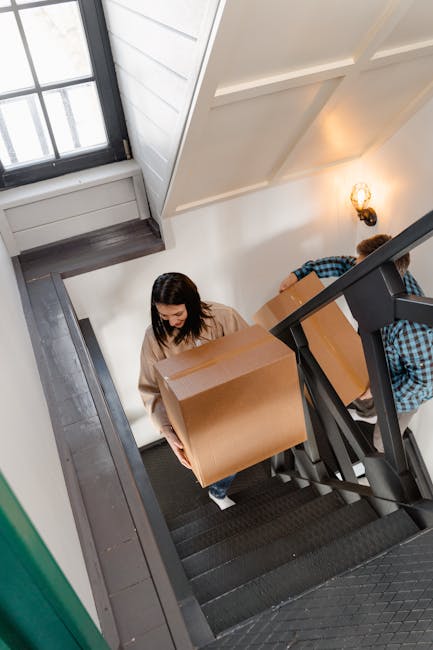
Why TW3 flat removals tips for narrow stairs and access Matters
Flat moves in TW3 often come with access challenges that do not show up until moving day. A flat may look perfectly manageable when you first view it, but the staircase tells a different story. You might be dealing with a Victorian-style terrace conversion, a tight communal hallway, a split-level layout, or parking that sits a decent walk from the front door. All of that adds friction.
The main reason this matters is simple: moving damage usually happens where space is limited. Corners, low ceilings, stair turns, narrow landings, and door frames can all become pinch points. The same is true for your time. A move that should take a few careful runs can turn into a slow, frustrating shuffle if the route has not been measured and planned.
There is also the neighbour factor. Shared entrances and stairwells need courtesy. Nobody wants marks on painted walls, blocked access, or a speaker cabinet wedged halfway down the stairs while someone is trying to get to work. In a busy local area, being organised is not just neat; it is respectful.
For many households, the practical question is not "can it be done?" but "how can it be done without drama?" That is really what this topic is about.
If your move is part of a wider local relocation, you may also find useful guidance in removals in Hounslow and the company's about us page to understand how a professional team approaches awkward access in real life.
How TW3 flat removals tips for narrow stairs and access Works
At a practical level, this kind of move works best when you break it into three stages: assess, prepare, then move. That sounds obvious, but most problems happen when people skip straight to the loading van part. Narrow access removals need a bit of detective work first.
Start with the route from flat to van. Measure stair width, landing space, and door openings. Notice where the bannister narrows the passage. Check whether furniture can be turned on its side safely, or whether it needs to be dismantled. Pay attention to light fittings too. A low pendant bulb is the sort of thing people forget until it becomes very annoying.
Next, think about the packing style. Smaller, stronger boxes are easier to carry on stairs than oversized, overfilled ones. Heavy items should be spread across multiple containers. If there is any doubt, use proper packing and boxes support so the load is easier to handle and less likely to shift.
Finally, choose the right moving method. For a compact flat with limited access, a flexible man and van service may be enough. For larger loads, heavier furniture, or more demanding staircases, a fuller removal van setup may be more appropriate. The right choice depends on volume, access, and how much lifting is involved.
There is no magic trick here, just good sequencing. Measure, protect, carry, load, repeat. Simple enough, but not always easy, especially when you are on the third trip and somebody has packed books into the biggest box known to humankind.
Key Benefits and Practical Advantages
Doing this properly has more upside than people expect. The obvious benefit is avoiding damage, but there are several others that make the effort worthwhile.
- Less risk of scratches and knocks: Protective wrapping, better box sizes, and route planning reduce accidental contact with walls and banisters.
- Faster loading and unloading: A clear plan means fewer pauses at awkward corners and fewer "can we just try it this way?" moments.
- Lower physical strain: Narrow stairs are tiring. Smaller loads and smart lifting protect your back and shoulders.
- Better teamwork: When everyone knows the route and the order, the move feels calmer and more coordinated.
- Less disruption to neighbours: Shorter stairwell dwell time and quieter handling make a real difference in shared buildings.
- More confidence on the day: A move always feels better when the plan is visible, not vague.
For some properties, the access plan may also influence the overall price or whether extra help is needed. That is why it is worth checking pricing and quotes early, rather than leaving it to the last minute. The more accurate the access details, the more realistic the quote tends to be. Truth be told, that helps everyone.
Another practical benefit is timing. If your flat is in a busy part of TW3, early planning can help you avoid awkward parking stress and long carry distances. Those small time savings add up quickly.
Who This Is For and When It Makes Sense
This guidance is useful for a wide range of people, but it is especially relevant if one or more of the following applies to you:
- You live in a first-floor or top-floor flat with no lift.
- Your staircase is narrow, steep, or has a tight turn.
- You are moving large furniture such as wardrobes, beds, or sofas.
- Your building has shared entrances, limited parking, or restricted loading space.
- You are on a deadline and need the move done efficiently, possibly even same day.
It also makes sense for students, renters, young families, and people downsizing who may not move very often. If you are not used to planning furniture access, it can be hard to know where to begin. A simple, practical approach is usually best.
If your move is a smaller local one, you may want to compare student removals in Hounslow or same day removals. The right service depends on how much you have, how fast you need it moved, and how awkward the access is. Not every move needs the same level of support.
One quick reality check: if you are thinking "I can probably manage the sofa with a friend and some determination," you may be right. Or you may end up rotating it through a stairwell like a puzzle piece that hates everyone. It happens.
Step-by-Step Guidance
Here is a clear, realistic way to handle a flat move with narrow stairs and awkward access.
- Survey the route before moving day. Walk the full path from the flat to the van and note every tight point: doorframes, turns, railings, steps, gates, and kerbs.
- Measure the biggest items. Measure sofas, mattresses, bed frames, table tops, wardrobes, and appliances. Compare those measurements to the narrowest part of the route.
- Decide what should be dismantled. Beds, shelving, and some tables are easier to move in parts. Keep screws and fixings labelled in small bags.
- Pack for carryability, not just capacity. Use smaller boxes for books and other heavy items. Avoid overfilling. A box that looks neat but weighs a ton is no help on stairs.
- Protect the building. Use blankets, corner guards, or thick wraps around furniture that could catch on paintwork or banisters.
- Plan the carry order. Move the easiest items first if that clears space, or the largest items first if the route is best tackled while everyone is fresh. There is no one-size-fits-all answer.
- Coordinate the loading zone. Make sure the van can stop as close as possible, and keep the path clear for repeated trips.
- Use clear communication. One person should call the pace. Phrases like "pause," "turn," and "down gently" help more than a long debate in the stairwell.
- Check the flat before leaving. Look inside cupboards, behind doors, and above shelves. The lost charger always hides at the last minute.
If you are arranging the move through a professional team, it is useful to review the wider services overview so you know what is covered and what to prepare yourself. Some movers will help with dismantling, loading, and protective wrapping; others may offer a lighter service model.
Expert Tips for Better Results
These are the small details that make a real difference in narrow-stair flat removals.
1. Take photos of tight spots before the move
A quick photo of the staircase, landing, and entrance can help you think more clearly about angles and turning space. Even a simple phone picture can reveal that a "looks fine" landing is actually very cramped.
2. Remove handles, cushions, and loose parts early
Anything that sticks out becomes a snag risk. Sofa feet, loose table legs, and decorative handles are tiny problems until they catch on the wall. Then they are suddenly very loud problems.
3. Keep the stairwell calm and clear
It sounds basic, but clutter builds fast. Shoes, umbrellas, recycling bags, prams, and post all get in the way. Clear route, fewer accidents. Simple.
4. Use a two-person carry for awkward pieces
Some items can be carried by one person, but awkward furniture is different. A second pair of hands improves balance and gives you better control when turning on the stairs.
5. Confirm parking and access timing
If the van is stuck at the wrong end of the street, your carry distance grows fast. Check the best stopping point in advance, especially if the area has morning congestion or limited curb space.
6. Keep a small "do not load yet" zone
Set aside anything you might still need, such as keys, chargers, medicines, paperwork, and cleaning supplies. That way you are not searching for essentials among half-taped boxes at 9 p.m.
For heavier or fragile items, such as upright instruments or awkward framed pieces, you may also want specialist help. A dedicated piano removals service exists for a reason: some objects simply need extra handling, more protection, and better control on stairs.

Common Mistakes to Avoid
Most access problems are avoidable. The trouble is, they tend to look manageable until the move starts. Here are the mistakes people make most often.
- Not measuring properly: Guessing is risky. Measure the stair width, turns, and furniture dimensions before you commit.
- Overpacking boxes: Heavy boxes are hard to carry safely on narrow stairs and can split at the worst moment.
- Ignoring the landing space: A landing may be too small to rotate a large item, even if the stairs themselves are wide enough.
- Forgetting dismantling time: If a bed or wardrobe needs taking apart, build that into the plan. It always takes longer than you think.
- Leaving access questions until moving day: Parking, key collection, and building entry instructions should be sorted early.
- Using the wrong service for the job: A small van may be fine for boxes, but not always for oversized furniture or multiple loads.
- Skipping protection: A blanket or wrap seems minor until the first scuff appears on the wall.
Another easy mistake is assuming the cheapest option is always enough. That is not always true, especially if narrow access means extra labour or specialist equipment. If you are comparing services, check competitive prices alongside the level of support being offered, not just the headline number.
A slightly blunt but useful rule: if an item makes everyone stand still and stare at the staircase, it probably needed a plan yesterday.
Tools, Resources and Recommendations
You do not need a warehouse full of equipment to manage a tight-access flat move well. A few sensible tools go a long way.
- Measuring tape: For stairs, doorways, furniture, and van access.
- Furniture blankets: Helpful for protecting corners and paintwork.
- Stretch wrap: Good for keeping drawers shut and loose parts together.
- Strong tape and markers: For labelling boxes and keeping dismantled parts together.
- Gloves with grip: Useful on awkward or slightly slippery items.
- Trolley or sack truck: Helpful where flat ground allows it, though not always ideal on stairs.
- Box cutter or tool kit: For quick dismantling and reassembly.
On the planning side, a good service page can also help you decide what level of support you need. If you are unsure whether your move is best handled as a simple local job or a fuller relocation, start with removal companies in Hounslow and then narrow it down from there.
You may also want to check insurance and safety information before the move. For tight staircases and valuable furniture, knowing how damage is handled is just common sense. It should not be a mystery.
If you are moving from a flat into storage temporarily, a service like storage in Hounslow can be a practical bridge, especially if access at the new place is not ready yet or the move needs to happen in stages.
Law, Compliance, Standards, or Best Practice
For flat removals with narrow access, the main compliance issues are usually practical rather than legal. You are generally dealing with safe lifting, careful handling, building access rules, and respect for shared areas. In the UK, moving teams and residents are expected to take reasonable care to avoid injury and property damage. That sounds obvious, but it is the heart of it.
If a building has communal hallways, fire routes, or management rules, those should be followed. It is also good practice to avoid blocking entrances or leaving items in shared spaces for longer than necessary. In some blocks, residents' associations or landlords may have specific moving instructions, so it is worth checking in advance.
From a best-practice point of view, the safest approach is:
- lift with control, not speed;
- keep walkways clear;
- protect walls, floors, and corners;
- use suitable equipment for the item;
- plan loads so no one is straining or twisting badly on stairs.
Professional movers should also have their own health and safety approach. If you are comparing providers, take a look at the health and safety policy and accessibility statement. Those pages tell you something important about how seriously a company treats access, care, and practical support.
There is no need to overcomplicate this. Good moving practice is usually just careful, tidy, and respectful. That's the standard, really.
Options, Methods, or Comparison Table
Different moves call for different approaches. The table below gives a practical comparison for narrow-stair flat removals in TW3.
| Method | Best For | Strengths | Watch Outs |
|---|---|---|---|
| Self-move with friends | Small flats, light furniture, flexible timing | Lower direct cost, simple for box-only moves | Higher risk on narrow stairs, less experience with awkward items |
| Man and van | Compact moves, local trips, mixed household items | Flexible, practical, often a good balance of cost and help | May not be enough for very bulky items or difficult stair access |
| Full removals service | Larger flats, heavier furniture, more complex access | More hands, more planning support, better for tricky access | Usually more expensive than a light-touch option |
| Specialist item removal | Pianos, antiques, fragile or oversized pieces | Extra care, right equipment, more control on stairs | Best booked for items that truly need it |
As a rule of thumb, if your biggest problem is a few boxes and a cot, a lighter setup may do the job. If your biggest problem is a wardrobe that barely survived the first flat, you probably want more support. Simple as that.
If you need more context on local moving options, the guide on man with a van in Hounslow is a useful place to compare flexibility with convenience.
Case Study or Real-World Example
Here is a realistic example based on the kind of move people make all the time. A couple moving out of a second-floor flat in TW3 had a narrow staircase with one sharp turn halfway down. Their biggest items were a double mattress, a bed frame, a two-seat sofa, and several heavy boxes of books. Nothing dramatic, but enough to cause trouble if handled badly.
Before moving day, they measured the furniture and realised the sofa would not comfortably turn the landing without removing the feet and wrapping the arms. They dismantled the bed in advance, packed the books into smaller boxes, and cleared the stairwell of coats, shoes, and a very determined-looking umbrella stand. Sensible people, honestly.
On the day itself, they parked as near as possible, used blankets to protect the stair edges, and moved the biggest item first while everyone still had energy. That mattered. By mid-morning the stairs were already warm from repeated trips, and the less they had to think about turning angles, the better.
The result was not glamorous, but it was smooth. No wall scuffs, no panic, no broken boxes. More importantly, no one had to wrestle a sofa on a landing while inventing new swear words. A good move often looks boring from the outside. That is usually a sign it went well.
For people in similar buildings, this is the bigger lesson: the move becomes easier when the awkward parts are dealt with before the van arrives. That is what planning buys you. Calm.
Practical Checklist
Use this checklist in the days before your move.
- Measure all large furniture and compare it to stair and doorway dimensions.
- Check whether any items need dismantling.
- Label screws, fittings, and small parts in sealed bags.
- Pack books and dense items into smaller boxes.
- Keep fragile items clearly marked and well wrapped.
- Clear the stairwell, hallway, and entrance area.
- Confirm parking, loading access, and any building rules.
- Protect walls, corners, and bannisters with blankets or guards.
- Set aside essentials you will need on arrival.
- Check whether you need storage, extra help, or a bigger vehicle.
Expert summary: the safest flat removals with narrow stairs are rarely the fastest-looking ones. They are the ones where the measurements were checked, the boxes were sensible, and the access route was respected. That is the whole game.
Get a free quote today and see how much you can save.
Conclusion
TW3 flat removals with narrow stairs and difficult access do not need to be stressful, but they do need a bit of care. The difference between a smooth move and a miserable one is usually made long before the first box reaches the stairwell. Measure properly. Pack sensibly. Protect the route. Choose the right level of help.
If your flat move is part of a wider home move, you may also want to explore house removals in Hounslow or read how house removals around Hounslow High Street can be simplified for broader planning ideas. And if you are still deciding whether the area fits your next chapter, the local perspective in is Hounslow the right place for you can be helpful too.
Move with a plan, keep your cool, and give the stairs less power than they think they have. One careful step at a time, it gets done.
![Professional Movers Services at Unbeatable Prices in [LOGO_TITLE]](../../pub/actonmovers-banner.png)


